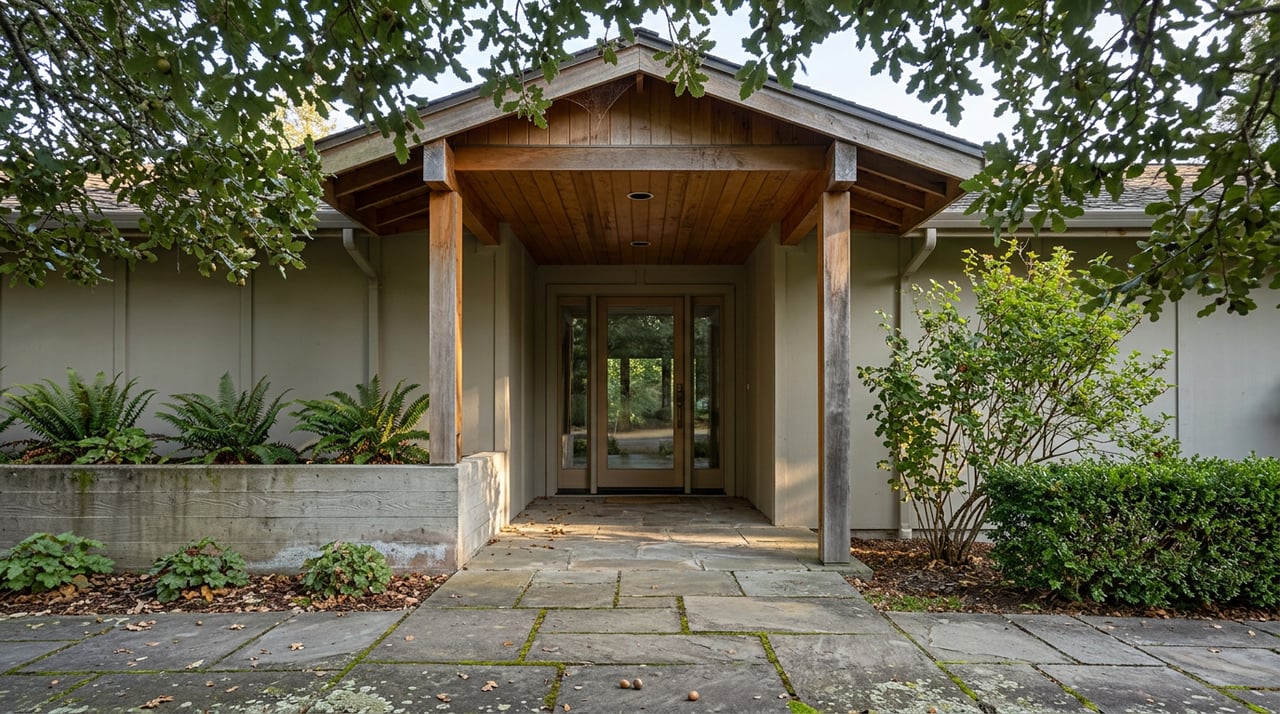
You can almost hear the surf from here. If you are picturing morning walks on wide sand, sunset dinners on the deck, and an easy drive from the city, Stinson Beach is hard to beat. It is also a place where coastal rules, seasonal rhythms, and site conditions shape how you buy and how you live. In this guide, you’ll learn the key local factors that matter before you commit, from short‑term rental licensing to flood maps, septic realities, and maintenance in salt air. Let’s dive in.
Why Stinson Beach appeals
Stinson Beach offers a classic Northern California shoreline experience within reach of San Francisco and Marin’s job centers. The community has a small year‑round footprint and a big seasonal personality. Summer weekends feel lively with day‑trippers, while weekdays and off‑season months are calm and restorative.
Inventory is limited and timing matters. Listings appear in short bursts, and the small sample size makes prices swing month to month. If you are aiming for a second home, plan for patience and act decisively when the right fit appears.
Who governs permits and what that means
Stinson Beach sits in unincorporated Marin County. That means planning, land use, and many permits flow through the County, and coastal topics are coordinated with the California Coastal Commission. Marin is updating parts of its Local Coastal Program, which guides hazard and coastal‑zone development rules. Review the County’s current coastal update materials to understand how setbacks, elevation, and hazard policies may affect your property plans. You can find background in Marin’s ongoing Local Coastal Program work sessions and drafts in the County’s LCP update materials.
If you are considering work near the shoreline, expect added review. Some oceanfront stretches, including Seadrift, have long permitting histories tied to revetments and shoreline protection. Title packages often include recorded agreements and conditions that shape future repairs or redevelopment.
Short‑term rentals in Marin: what to know
If rental income is part of your plan, get clear on Marin County’s Short‑Term Rental (STR) rules before you bid. In January 2024, the County adopted updates that set a countywide license cap, limit some West Marin townships to their 2022 registered totals, restrict operators to one license, and require an STR license plus a business license and transient occupancy tax registration. Access the County’s summary in the STR ordinance update.
Key practical points for buyers:
- Confirm whether an STR license exists for the property and if it can transfer.
- Check whether the neighborhood is at its local cap.
- Access the step‑by‑step process, renewal cadence, and operating rules in the County’s STR Administrative Procedures.
- Note that accessory dwelling units built in 2020 or later cannot be used for STRs.
Bottom line: STRs are possible but not automatic. Build your underwriting around confirmed facts rather than assumptions.
Site risks to vet before you commit
Buying on the coast is different. A smart offer starts with a clear read of site conditions and hazard overlays.
Flooding and sea‑level rise
Stinson Beach appears in Marin County’s coastal vulnerability work as an area with near‑ and medium‑term exposure. The County’s assessment highlights potential impacts to homes west of Shoreline Highway, local roads, water infrastructure, fire station facilities, and onsite wastewater systems. Review the County’s coastal vulnerability assessment to understand scenarios and adaptation concepts.
Next, pull the property’s FEMA flood maps and check for an Elevation Certificate. If a home is in a Special Flood Hazard Area, many lenders will require flood insurance. Start with FEMA’s Flood Map Service Center and ask the seller for any existing elevation documents.
Shoreline armoring, easements, and permits
Shoreline protection devices, including revetments and seawalls, are heavily regulated. Even routine maintenance can trigger permits or specific conditions. In Seadrift and nearby reaches, the California Coastal Commission maintains detailed records on revetment agreements and waivers. For parcels with shoreline protection, review recorded permits, maintenance agreements, and Commission correspondence. The Commission’s briefing on Seadrift’s revetment history is a useful primer for buyers of oceanfront property. See the Commission’s report on Seadrift shoreline armoring and maintenance context.
Wildfire, evacuation, and access
Portions of Stinson Beach sit in mapped wildfire hazard areas. The community’s access also relies on Shoreline Highway, which can be affected by storms and slides. For a second home, plan for evacuation logistics, go‑bags, and backup communications, and review local hazard mapping and preparedness resources from the Stinson Beach Fire Protection District. Start with the district’s LRA hazard maps and info.
Utilities, septic, and coastal upkeep
Water and onsite wastewater (septic)
Many homes in Stinson Beach are served by the Stinson Beach County Water District for water and rely on onsite wastewater treatment systems for sewage. The District runs an onsite‑wastewater management program, and Marin County’s environmental health office issues septic permits. The District and County have studied the feasibility of a community sewer, but any future project would require time and funding. For due diligence, request the septic permit history, recent pump and repair records, and any system upgrades from the seller and the District. Learn about local services at the Stinson Beach County Water District.
Salt air and corrosion
Coastal homes need a different maintenance plan. Salt in the air accelerates corrosion of metal connectors, fasteners, HVAC coils, and exterior finishes. FEMA’s Coastal Construction Manual recommends marine‑grade or stainless hardware, frequent inspections, appropriate elevation strategies, and careful material selection. If you are budgeting for a beach house, plan a higher annual maintenance allowance than you would inland. For technical guidance, see FEMA’s Coastal Construction Manual (P‑55).
Trash, recycling, and service rhythm
Trash and recycling in the Stinson area are arranged through local district contracts, which can differ from central Marin. If you plan to rent or host regularly, confirm pickup days, bin storage rules, and seasonal service adjustments during your contingency period.
Insurance considerations
Flood coverage is available through the National Flood Insurance Program where required, and private‑market carriers may offer options that change over time. In higher risk areas, availability and pricing can shift. Before you remove contingencies, confirm which insurers are willing to quote homeowners, flood, wildfire, and wind coverage, and understand deductibles and exclusions.
Market and seasonality realities
Stinson Beach is both a small housing market and a major Bay Area day‑trip destination. Those two facts shape daily life and rental performance.
- Inventory is episodic. The right home may take time to surface, and prices can appear volatile because each sale carries outsized weight.
- Visitor patterns are seasonal. Summer weekends are busy, which brings energy and can strain parking and local services. Off‑season months are quieter.
- Local leaders have debated parking and fee strategies to manage peak demand. For context on community discussions, read local coverage on seasonal parking and fee proposals.
- Transit access exists through Stagecoach routes, but schedules are limited. Most owners and guests drive.
Plan your expectations around these rhythms. If you value quiet, shoulder seasons can be wonderful. If you plan to host guests, set clear guidance on parking and beach etiquette.
Your due‑diligence checklist
Use this concise checklist with your agent and local specialists before you commit. Each item points to the documents to request or the source to consult.
- Jurisdiction and coastal rules. Confirm whether the parcel is in unincorporated Marin and within a special area such as Seadrift. Review current County coastal materials for hazard and development guidance using the County’s LCP update documents.
- Flood and hazard maps. Pull FEMA maps for the address and ask the seller for any Elevation Certificate. Cross‑check with Marin’s coastal vulnerability assessment and the FEMA Flood Map Service Center.
- STR feasibility. Ask whether an STR license exists, if it can transfer, and whether the neighborhood is at cap. Review the County’s STR Administrative Procedures for steps and renewals.
- Septic and water status. Request onsite wastewater permit history, pump and repair records, water billing and connection notes from the Stinson Beach County Water District.
- Shoreline rights and easements. For oceanfront or lagoon‑side parcels, obtain recorded permits and maintenance agreements for any revetment or seawall, plus Coastal Commission correspondence. Start with the Commission’s overview of Seadrift shoreline armoring.
- Insurance and inspections. Confirm which insurers will quote homeowners, flood, wind, and wildfire coverage. Order specialized inspections, including septic scope, structural foundation or piling inspection, and corrosion review. Use FEMA’s P‑55 for coastal maintenance standards and planning.
- Access and parking. Document on‑site parking, guest rules, and seasonal traffic and parking patterns that could affect daily use and rental operations. Local reporting on parking and fee proposals offers helpful context.
- Maintenance and resiliency plan. Budget for coastal wear. FEMA’s P‑55 guidance outlines inspection intervals, materials, and elevation strategies that extend a home’s life by the ocean.
How we help you buy well
A Stinson Beach retreat should feel effortless, not uncertain. You deserve a team that understands coastal permitting, hazard overlays, septic realities, and the rhythms of a destination market. With deep Marin expertise, curated search strategies, and hands‑on coordination, we guide you from first tour to closing with clarity and confidence. That includes targeted outreach for quiet opportunities, coordination with local inspectors and the water district, and offer strategies tailored to coastal risk and STR rules.
If you are ready to explore a Stinson Beach home that fits your lifestyle, reach out to Chelsea E. Ialeggio for a private conversation.
FAQs
What is unique about owning in unincorporated Stinson Beach?
- Marin County oversees planning and permits, and many coastal topics involve the California Coastal Commission. Review current County coastal materials in the LCP update documents to understand how rules may apply to your parcel.
How do short‑term rental licenses work in Stinson Beach?
- Marin’s 2024 update set a countywide cap, limited some coastal townships to 2022 levels, restricted operators to one license, and requires an STR license plus a business license and TOT registration. Confirm license status and neighborhood caps, then review the County’s STR Administrative Procedures for steps and renewals.
What should I check about flood risk before making an offer?
- Pull the address in the FEMA Flood Map Service Center, request any Elevation Certificate from the seller, and read Marin’s coastal vulnerability assessment for local scenarios and adaptation context.
Are Seadrift oceanfront homes harder to permit for repairs or changes?
- Oceanfront parcels with revetments often have detailed permit conditions and maintenance agreements. Expect added scrutiny for repairs and redevelopment, and review the Coastal Commission’s overview of Seadrift shoreline armoring as part of due diligence.
How does salt air change my maintenance plan and budget?
- Salt accelerates corrosion of connectors, fasteners, HVAC coils, and finishes. FEMA’s Coastal Construction Manual (P‑55) recommends marine‑grade materials, more frequent inspections, and elevation strategies. Plan a higher annual allowance than inland homes.
What about wildfire and evacuation in Stinson Beach?
- Portions of Stinson fall within mapped wildfire hazard areas, and access relies on Shoreline Highway. Review local preparedness guidance and hazard mapping from the Stinson Beach Fire District’s LRA resources, and include evacuation planning in your setup.