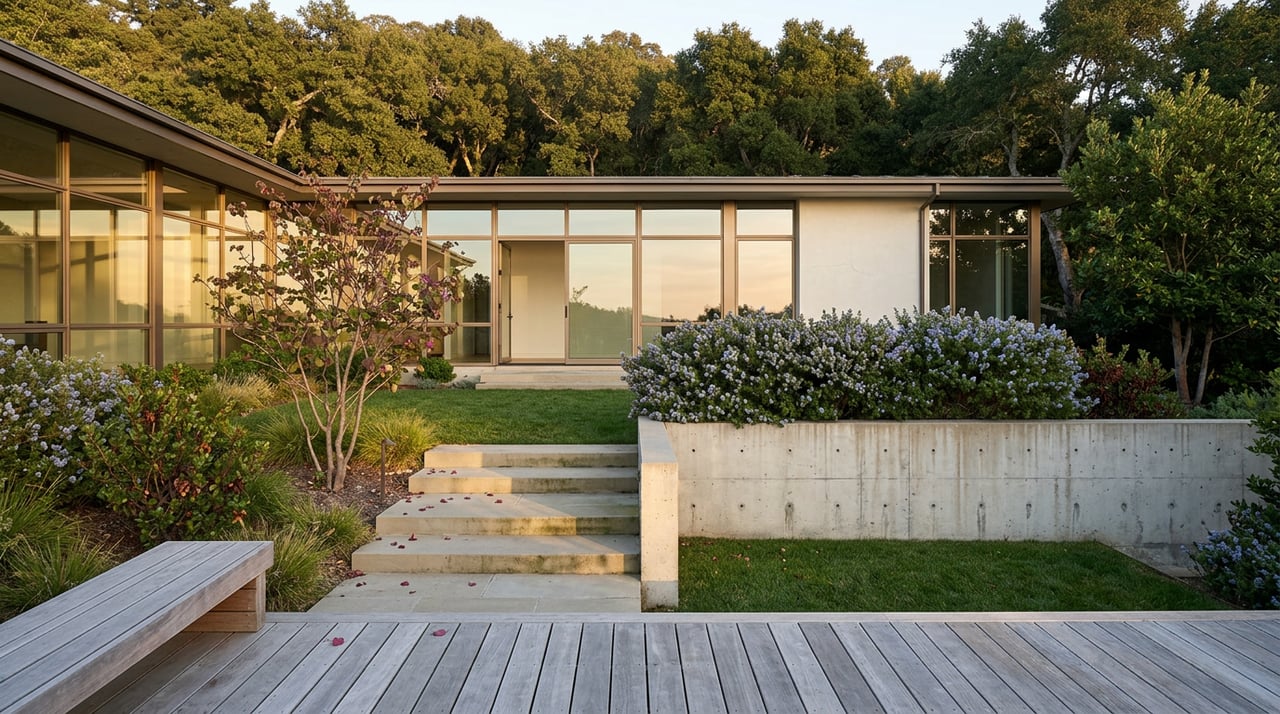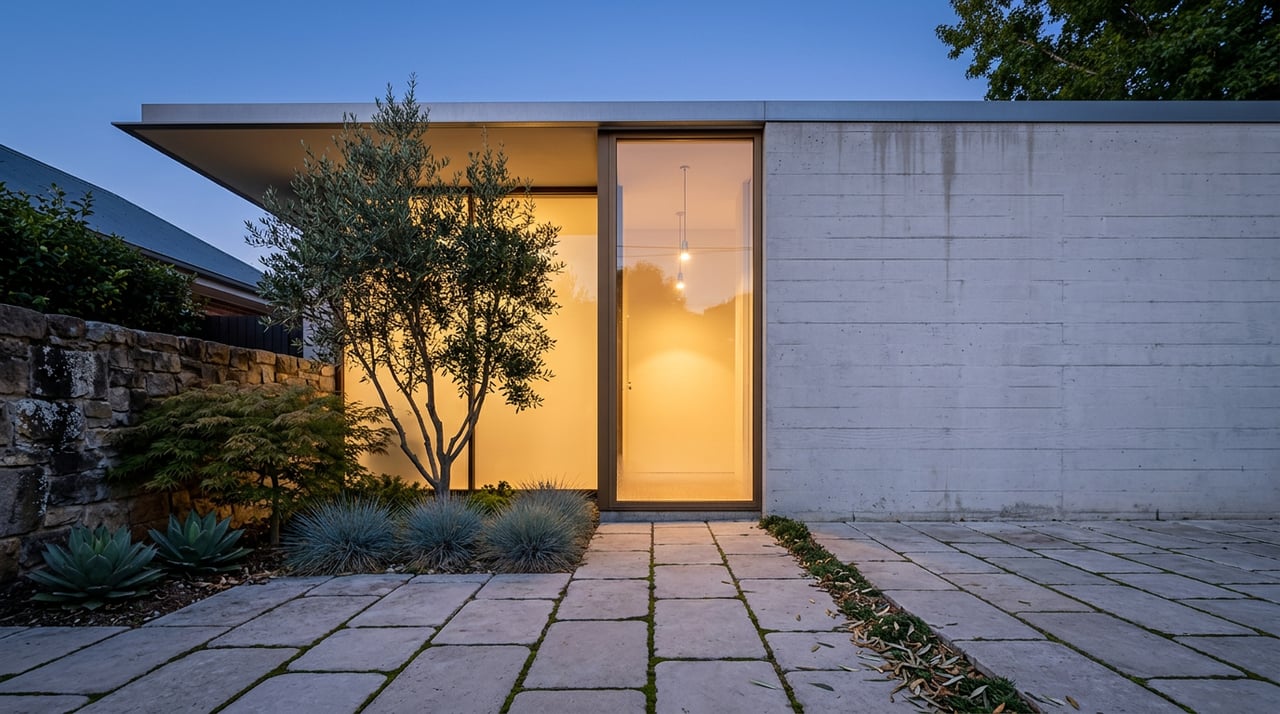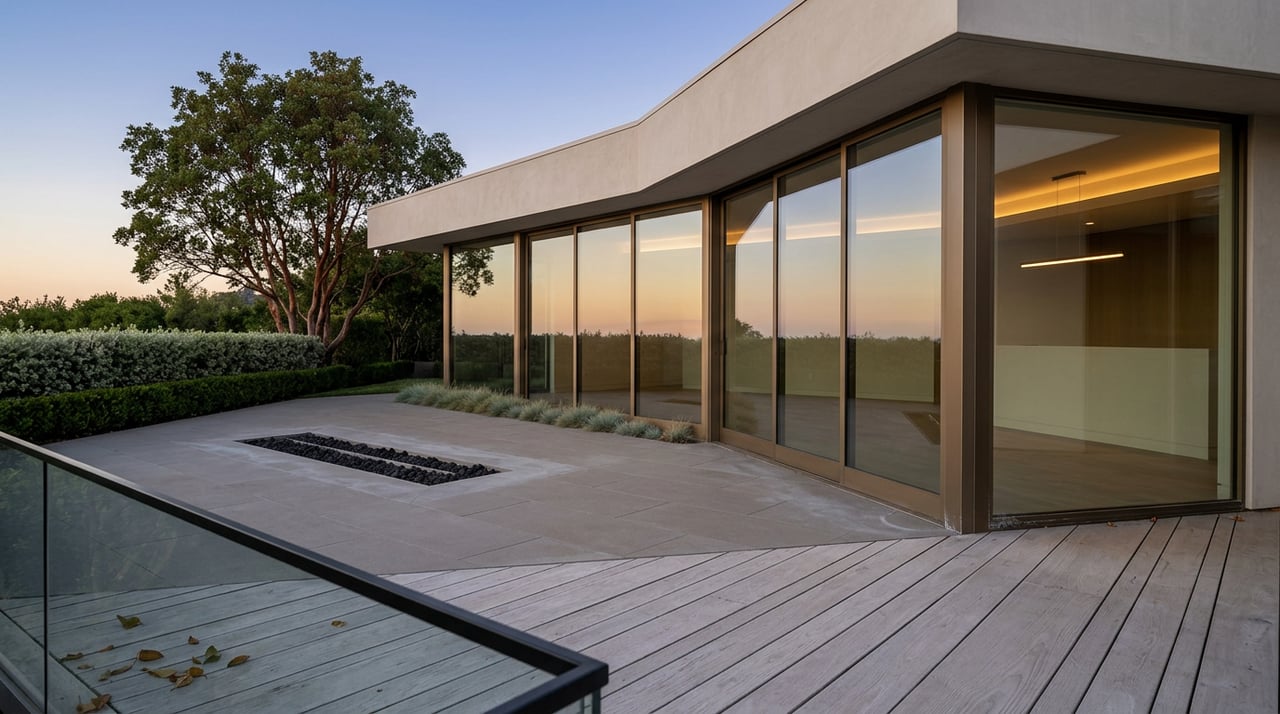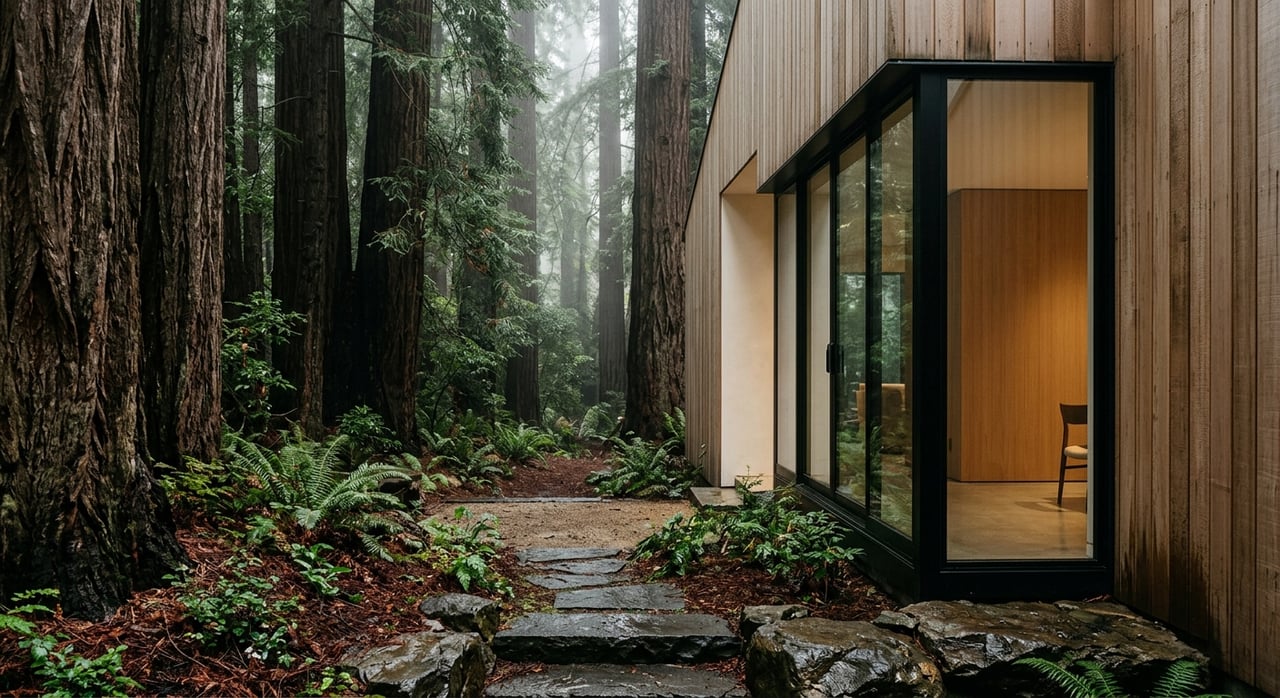
If the idea of waking up under towering trees sounds like the perfect Northern California lifestyle, Mill Valley probably already has your attention. A redwoods setting can feel private, peaceful, and deeply connected to the outdoors, but it also comes with practical realities that matter once you move from dreaming to buying. If you are weighing whether a Mill Valley redwoods retreat truly fits your life, this guide will help you think through the scenery, the daily rhythm, and the ownership tradeoffs so you can make a smart decision. Let’s dive in.
Why Mill Valley draws redwoods buyers
Mill Valley’s forest setting is not just a marketing story. Mount Tamalpais State Park includes 6,300 acres of redwood groves and oak woodlands, with more than 60 miles of hiking trails that connect to a broader 200-mile trail system on neighboring public lands. For many buyers, that kind of landscape is the main draw.
Muir Woods adds another layer to the appeal. It is an old-growth coast redwood forest, and the National Park Service notes that coastal fog plays an important role in helping redwoods thrive. That means the cool, misty atmosphere many people picture in Mill Valley is a real part of the local environment.
What the setting feels like day to day
Living near the redwoods often means quick access to trails, scenic drives, and open space. If you value hiking, time outside, and a home that feels removed from the pace of the city, Mill Valley can offer a very strong lifestyle match. The setting feels immersive in a way that is hard to replicate elsewhere in Marin.
At the same time, daily life here is shaped by weather and access patterns. Heavy fog is common in the morning around Muir Woods, and local microclimates can shift noticeably from one part of Mill Valley to another. A home tucked into shade may feel very different from one on a sunnier hillside just a short distance away.
Mill Valley microclimates matter
One of the most important things to understand is that not every redwoods property lives the same way. Marin Water identifies variable climate and microclimate across Marin County, and Mill Valley and Mill Valley hilltops fall into different landscape zones than nearby coastal areas. In practical terms, sun exposure, shade, moisture, and irrigation needs can change a lot depending on where the home sits.
That affects more than comfort. It can influence landscaping choices, exterior maintenance, drainage patterns, and how a yard functions through the year. If you love the idea of a wooded lot, it helps to be equally excited about learning how that specific site behaves.
The lifestyle upside of a wooded retreat
For the right buyer, the benefits are easy to see. A redwoods retreat can offer:
- A strong connection to trails and public open space
- A sense of privacy created by mature trees and topography
- Cooler, shaded areas during warmer parts of the year
- A calm, nature-focused setting that feels distinct from more urban neighborhoods
This kind of home often appeals to buyers who want their property to support an outdoor lifestyle, not just provide square footage. The setting becomes part of how you spend your time, from morning walks to weekend trail access.
The tradeoffs you should plan for
The same features that make wooded hillside homes beautiful can also make them more complex to own. In Mill Valley, wildfire is one of the city’s most significant risks. The city’s hazards planning says northern residential communities are largely in High or Very High Fire Hazard Severity Zones.
That does not mean a redwoods property is the wrong choice. It does mean you should treat fire preparedness as part of ownership from the start. CAL FIRE and the Board of Forestry both emphasize defensible space and home hardening as core protections.
Evacuation planning is another serious consideration. The city advises residents to know at least two vehicle routes and notes that hillside areas can become congested or inaccessible quickly. In some subdivisions, a lack of a second evacuation route is specifically identified as a planning concern.
Slope stability also matters. Mill Valley’s safety planning documents say the city has high landslide risk, with most of the city susceptible because of steep terrain. Hillsides, roads, and utilities can all be affected, while flatter areas near the downtown and commercial core have much less landslide susceptibility.
Winter weather can bring its own issues. The city says heavy rain, winter storms, and high winds can lead to fallen trees, power outages, and localized flooding. If you are considering a heavily wooded or hillside property, it is worth asking how the home performs in storm season, not just how it looks on a clear day.
Recreation access is a benefit and a variable
Buyers often love being near Mount Tamalpais and Muir Woods, and for good reason. But nearby recreation can also bring logistical details that affect your routine. Muir Woods requires reservations for personal vehicles and shuttle riders, and California State Parks posts trail work notices for Mount Tamalpais.
There can also be temporary access changes tied to weather and fire conditions. Marin Water says it regularly closes the Mount Tamalpais Watershed to vehicle traffic during Red Flag Warnings. If access to open space is a major reason you are buying, it helps to understand that conditions are not static year-round.
If you have dogs, that deserves a closer look too. California State Parks says dogs are allowed only in developed areas at Mount Tamalpais State Park, not on trails, dirt roads, or backcountry areas. For some buyers, that is a small detail. For others, it shapes how useful nearby recreation really feels in daily life.
What to verify before you buy
A redwoods retreat is often most rewarding when you approach the purchase with clear eyes. In Mill Valley, there are several due diligence steps that matter more here than they might in a flatter or less wooded market.
The city requires a special inspection for any home being sold within Mill Valley. It also requires a private sewer lateral inspection when a property is sold. Those local rules make inspections a central part of the purchase process, not just a box to check.
For many wooded or hillside homes, the most useful specialists may include:
- A home inspector
- A sewer-lateral contractor
- A geotechnical or drainage specialist
- A fire-hardening professional
These experts can help you better understand the practical side of the property, from drainage and slope conditions to wildfire readiness and utility-related issues. For older homes or lots with significant grade changes, that insight can be especially valuable.
Ownership often includes planning and permitting
In Mill Valley, ownership can come with an ongoing relationship to local permitting. The city says many larger remodels, additions, and new homes trigger design review or planning approval. If you are buying with renovation ideas in mind, that is important to factor in early.
This does not have to be a drawback. It simply means your timeline and planning process should be realistic. Buyers who do best with these properties are often the ones who appreciate the setting enough to accept that stewardship and preparation are part of the experience.
Landscaping is not one-size-fits-all
A wooded property can be beautiful, but it may not behave like a sunnier inland parcel. Marin Water’s guidance highlights Marin’s variable microclimates and encourages planting choices that align with the county’s Mediterranean climate. In Mill Valley, a shaded redwoods lot may need a very different watering and planting strategy than a home just a few neighborhoods away.
That matters if outdoor living is high on your list. Before you buy, it is smart to look at how the current landscaping is maintained, how much sun the yard actually receives, and whether the irrigation setup fits the site. A yard that looks effortless may require more planning than you expect.
Is a Mill Valley redwoods retreat right for you?
A Mill Valley redwoods retreat can be an excellent fit if you want scenery, trail access, and a home that feels immersed in nature. It can also be a smart lifestyle choice if you are comfortable thinking proactively about wildfire preparedness, drainage, slope conditions, access planning, and local inspection requirements.
In other words, the dream is real, but so is the responsibility. The buyers who tend to be happiest in these homes are the ones who value the setting enough to embrace the practical side of ownership too.
If you are considering a wooded home in Mill Valley or nearby Marin, having local guidance matters. The right property is not just about charm from the street. It is about how the site lives, how the home performs, and whether it supports the lifestyle you actually want. To explore that with a tailored, high-touch approach, connect with Chelsea E. Ialeggio.
FAQs
Is living in a redwoods home in Mill Valley cooler than other parts of Marin?
- It can be. Marin Water says Mill Valley has variable microclimates, so temperature, sun, shade, and moisture can differ noticeably depending on the property’s location and elevation.
Do Mill Valley redwoods homes come with higher wildfire concerns?
- Often, yes. Mill Valley identifies wildfire as one of its most significant risks, and many northern residential areas fall within High or Very High Fire Hazard Severity Zones.
What should buyers inspect before purchasing a hillside home in Mill Valley?
- In addition to a general home inspection, buyers should pay close attention to sewer lateral conditions, drainage, slope stability, and fire-hardening features because those issues are especially relevant in Mill Valley’s wooded and hillside areas.
Are there special rules when buying a home in Mill Valley?
- Yes. The city says a special inspection is required for homes being sold in Mill Valley, and a private sewer lateral inspection is also required at the time of sale.
Is trail and park access in Mill Valley always straightforward?
- Not always. Muir Woods requires reservations for vehicles and shuttle riders, trail work can affect access around Mount Tamalpais, and Marin Water may close watershed vehicle access during Red Flag Warnings.