If you have seen a home in Ross described as "estate-style," you may wonder what that actually means. In a town known for privacy, mature landscaping, and distinctive residential character, the phrase often signals more than square footage alone. Understanding how that label is commonly used can help you read listings more clearly, ask better questions, and decide whether this type of property fits your goals. Let’s dive in.
What "estate-style" means in Ross
In Ross, estate-style is usually a market description rather than a formal legal category. The town is a largely built-out residential community with mostly single-family homes, along with some guest houses and accessory dwelling units on single-family properties.
That matters because a listing may use estate-like language to describe feel and function, not zoning. In most cases, the term points to privacy, site quality, open space, and architectural presence rather than a separate land-use designation.
Why Ross lends itself to estate-style living
Ross is widely associated with wooded hillsides, meandering creeks, historic character, tree-lined streets, and a quiet residential setting. Those physical traits shape how homes sit on their lots and how buyers experience them.
Local design guidance emphasizes substantial open space, low-density development, and homes that fit into the landscape rather than overpower it. As a result, many properties that feel estate-like do so because of their relationship to the site, not just because they are large.
Common traits of estate-style properties
Larger parcels and open space
One of the clearest estate-style signals in Ross is a parcel with more breathing room around the main home. Town guidance notes that lot sizes vary considerably and that sites rarely feel maxed out.
For you as a buyer, that can translate into larger setbacks, more outdoor living area, and a stronger sense of separation from neighboring homes. It may also create room for gardens, terraces, or detached structures, depending on the property and its approvals.
Privacy-focused design
Privacy is a major part of the Ross experience. The town’s design principles prioritize respect for neighboring properties and often rely on landscape buffers, careful outdoor-space placement, and massing that avoids looming effects.
In practical terms, you may notice homes set behind hedges, trees, or landscaped edges. That layered screening often contributes as much to the estate feel as the house itself.
Architecture with presence
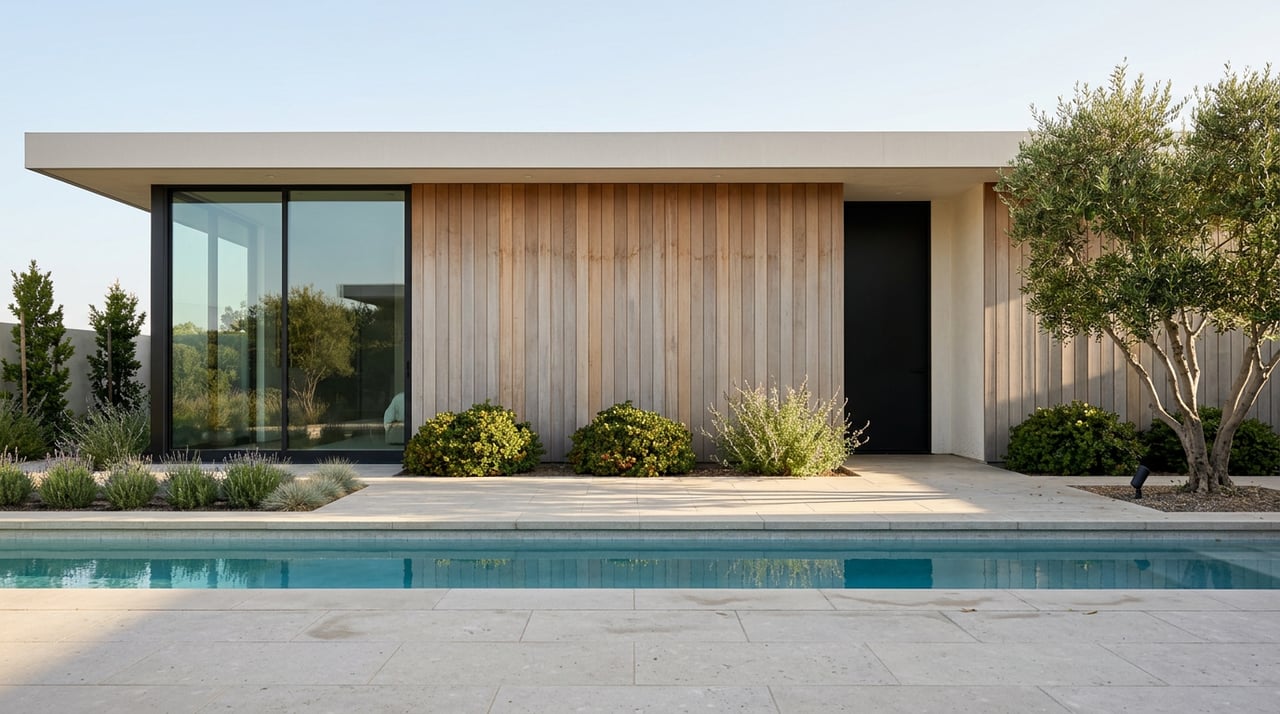
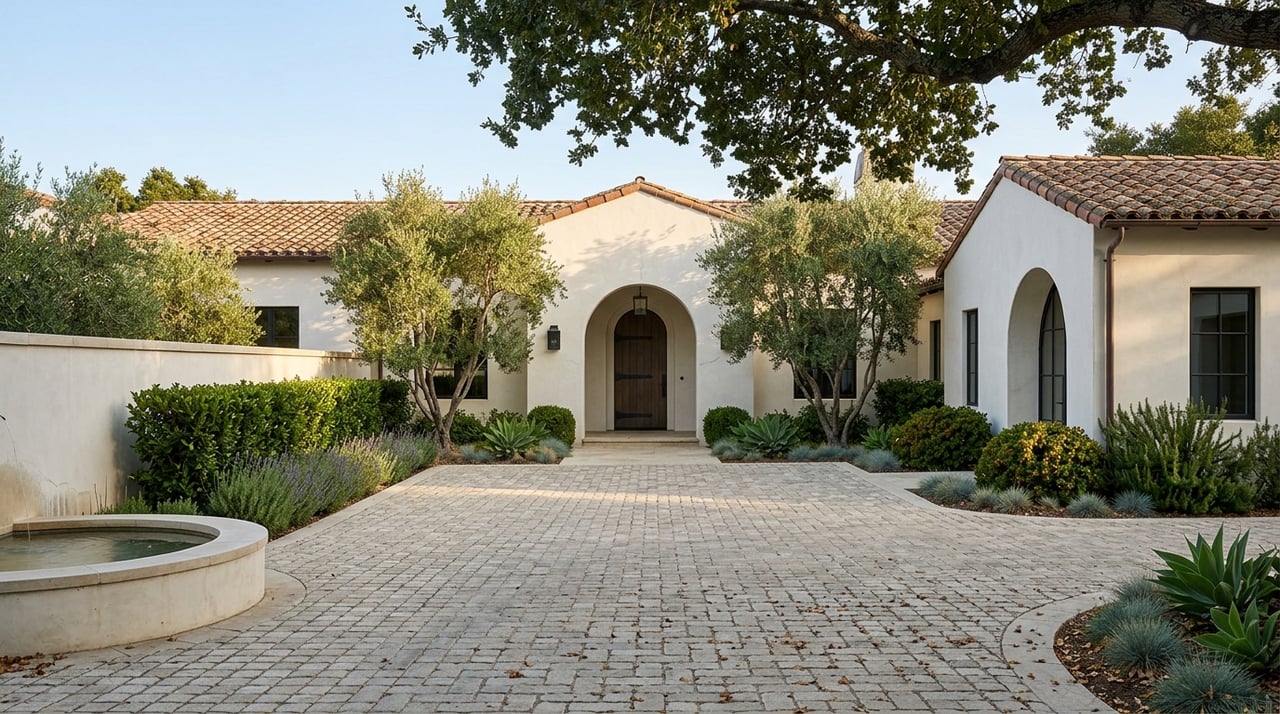
Estate-style homes in Ross often have strong architectural identity, but the best examples still feel connected to the land. Local guidance favors development that enhances vegetation and hillside settings instead of dominating them.
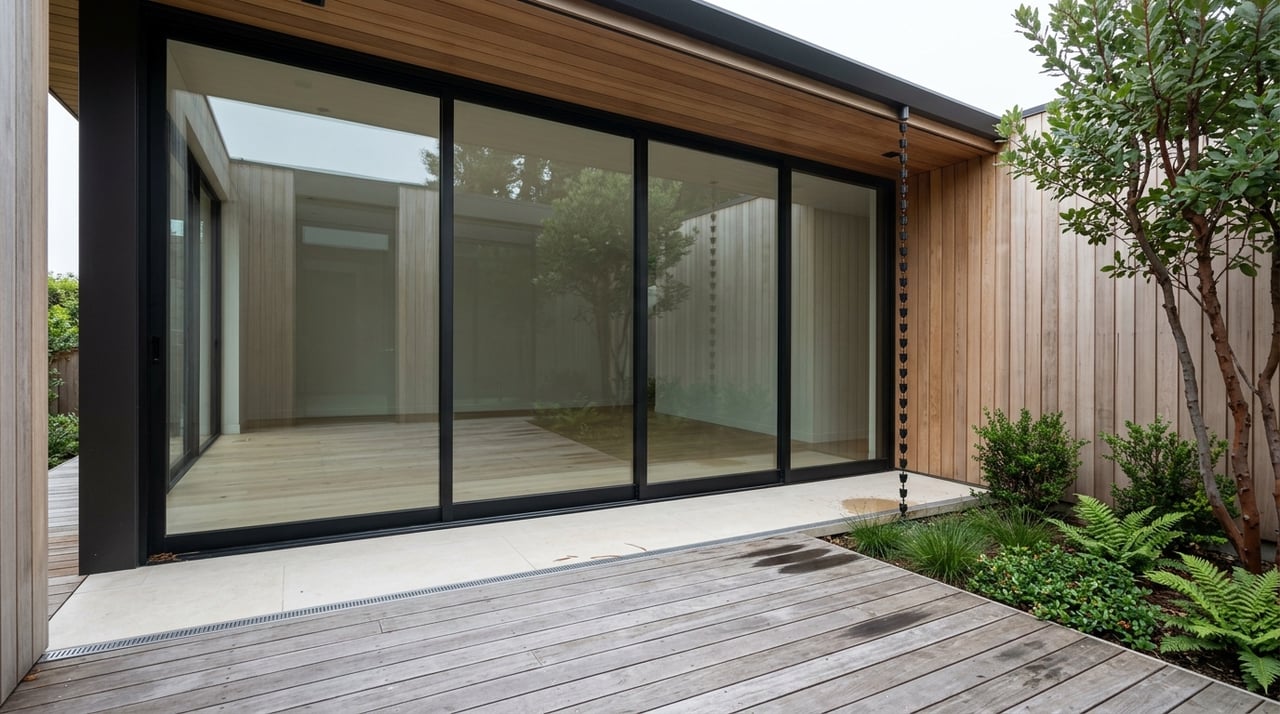
That can include traditional homes with classic detailing as well as newer contemporary residences that are designed with sensitivity to scale, setting, and surrounding homes. In Ross, architectural presence usually works best when it feels refined rather than oversized.
Mature, park-like grounds
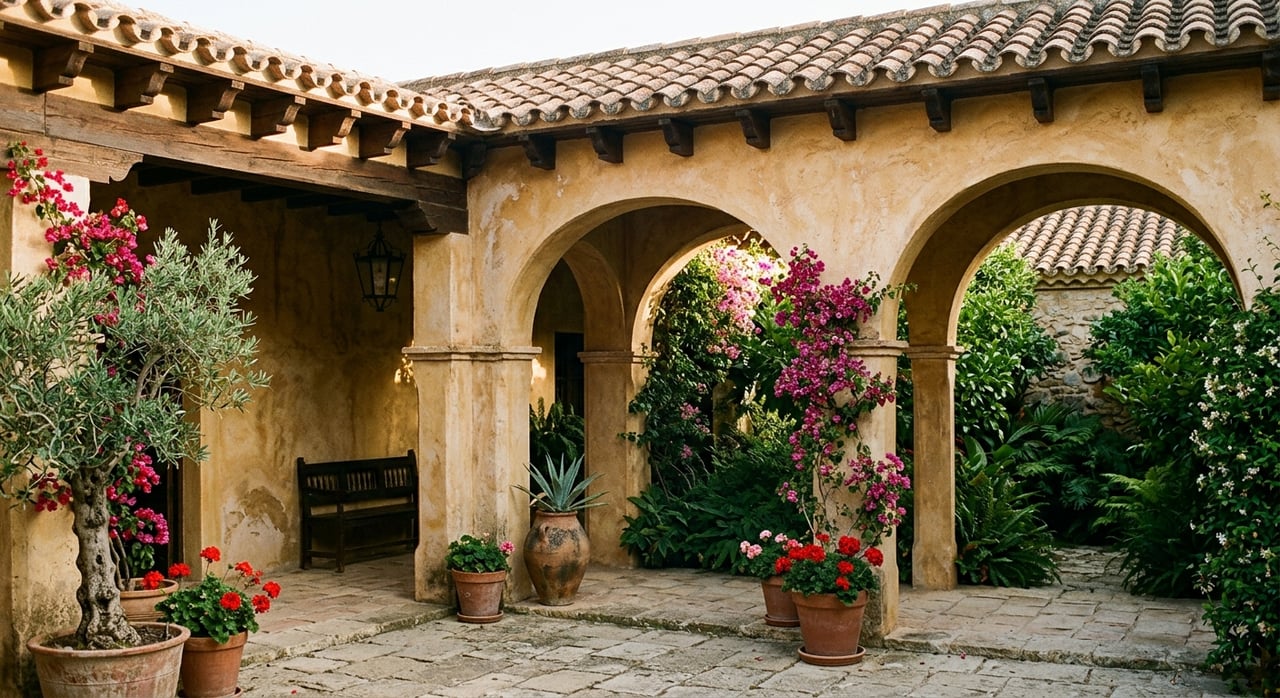
When a listing mentions park-like grounds, it often refers to mature trees, layered planting, and a property designed to feel green and secluded. Ross character analysis describes lush landscaping, varied street edges, and visual richness created by trees, front yards, fences, and architecture.
For many buyers, this landscape component is central to the appeal. It can make a property feel calm, private, and established from the moment you arrive.
How to read listing language in Ross
Real estate language can be helpful, but it can also blur the line between style and legal status. In Ross, a few common terms deserve a closer look.
"Estate-like" or "compound"
These phrases usually suggest a larger or more private parcel with strong landscape presence. They do not automatically mean the property has a special zoning classification or multiple legally recognized dwelling units.
"Guest house" or "cottage"
This is one of the most important terms to verify. A detached secondary structure might be a permitted guesthouse, an ADU, a JADU within the primary home, a caretaker unit allowed by use permit, or an older nonconforming improvement.
The structure may still add value and utility, but you should confirm exactly how it is permitted before making assumptions about future use.
"Architectural character"
In Ross, this can refer to traditional detailing, wood or stone materials, muted colors, and careful massing. It can also describe a newer home that responds well to the site and surrounding context.
The key is not whether a house is old or new. It is whether the design feels intentional and appropriately scaled for its setting.
Features you may see on estate-style properties
Because Ross is primarily a single-family residential community, many estate-style properties express themselves through accessory features and outdoor amenities.
Possible elements may include:
- Detached garages
- Terraces and arbors
- Swimming pools
- Barbecue areas and outdoor shelters
- Tool sheds
- Sports courts for daytime use
- On qualifying sites of at least one acre, private stables
Some properties may also include guesthouses or caretaker units where allowed with a use permit. If a secondary structure is part of what attracts you to the property, permit history should be part of your due diligence.
Ownership comes with upkeep
Estate-style living in Ross can be beautiful, but it is rarely low-maintenance. Mature landscaping, larger grounds, and hillside conditions often create a higher level of ongoing care.
You should expect maintenance tied to both appearance and compliance. That can include irrigation, pruning, gutter and roof debris removal, drainage checks, and regular landscape management.
Trees need attention
Trees are a major part of Ross’s character, and they are also regulated. The town identifies trees as important to privacy, erosion control, runoff reduction, landslide mitigation, and the area’s overall ambiance.
Because of that, tree alteration or removal can require permits. If a property’s appeal depends on mature landscaping, it is wise to understand both the benefits and the responsibilities that come with it.
Wildfire preparedness is part of the picture
Defensible space is required by law. CAL FIRE identifies Zone 0 as the first 5 feet, Zone 1 as 5 to 30 feet, and Zone 2 as 30 to 100 feet, or to the property line if it is closer.
Ross Valley Fire Department also provides prevention support and offers resale-inspection assistance for residents, buyers, sellers, and real estate professionals. For you, that means fire-readiness is not just a seasonal task. It is part of responsible ownership.
Hillside sites can add complexity
Some Ross properties are subject to hillside lot rules, especially parcels with 30 percent or greater slope or certain hazard-zone conditions. These regulations emphasize minimizing grading, limiting visual impacts, and using planting that supports both landscape quality and fire resistance.
If you are considering a hillside property, site design and long-term maintenance may be more complex than they first appear. Drainage, retaining conditions, slope management, and vegetation choices all deserve careful review.
Is an estate-style property right for you?
For many buyers, estate-style properties in Ross offer a compelling mix of privacy, outdoor living, and architectural character. They can be a strong fit if you value gardens, entertaining space, room for secondary structures, and a more secluded residential setting.
They may be less ideal if you want a true lock-and-leave lifestyle. Larger grounds and mature landscaping often mean more hands-on stewardship, whether you manage that work yourself or through trusted vendors.
A practical Ross buyer checklist
If you are seriously considering an estate-style home in Ross, a focused review can help you separate visual appeal from functional reality.
Here are smart items to check:
- Confirm permit history for any guesthouse, caretaker unit, ADU, or JADU
- Ask whether the lot required hillside review or geotechnical work
- Review whether creek setbacks affect any structures or future plans
- Look into tree maintenance history and any relevant permits
- Ask about defensible-space compliance and resale-inspection items
- Budget for irrigation, pruning, drainage, and slope management
A thoughtful purchase in Ross often comes down to understanding how the home, site, and regulations work together. The more clearly you understand that relationship, the more confidently you can evaluate value and fit.
If you are exploring estate-style properties in Ross and want a tailored perspective on what truly sets a home apart, Chelsea E. Ialeggio offers the local insight and high-touch guidance to help you buy with clarity.
FAQs
What does estate-style mean for a home in Ross?
- In Ross, estate-style usually refers to privacy, open space, site quality, mature landscaping, and architectural presence rather than a formal legal zoning category.
What should you verify about a guest house in Ross?
- You should confirm whether the structure is a permitted guesthouse, an ADU, a JADU, a caretaker unit allowed by use permit, or an older nonconforming improvement.
What does park-like grounds usually mean in Ross listings?
- It usually signals mature trees, layered planting, and a landscape design that creates a green, secluded feel.
What upkeep should you expect with an estate-style property in Ross?
- You should plan for recurring work such as irrigation, pruning, drainage checks, gutter and roof debris removal, and maintenance related to fire safety and tree care.
What due diligence matters most for estate-style homes in Ross?
- Key items include checking permit history for secondary structures, reviewing hillside or creek-related constraints, understanding tree and landscape obligations, and asking about defensible-space compliance.