Are you drawn to the handcrafted details of an older San Rafael home, or do you want the simplicity of a more updated space? In a city where historic character and modern convenience often sit side by side, that choice can feel more personal and more practical than it first appears. If you are weighing charm against ease, understanding how San Rafael’s housing stock, permit process, and preservation rules affect daily ownership can help you buy with confidence. Let’s dive in.
Why this choice matters in San Rafael
San Rafael has a strong connection to its architectural past. The city is the oldest in Marin County, and its Historic Preservation program says the Historical/Architectural Survey covers 305 sites, with 16 local landmarks and 3 local historic districts.
That context matters because older homes are not a small niche here. San Rafael’s housing data identifies detached single-family residences as the predominant housing type, and Census QuickFacts show a 53.0% owner-occupied rate with a median owner-occupied home value of $1,355,600 for 2020 through 2024.
Just as important, the California HCD draft 2023 to 2031 housing element reports that 59.3% of San Rafael’s housing units were built in 1969 or earlier. In real terms, that means older-home inspections, renovation planning, and permit review are part of the normal buying conversation in this market.
What historic charm looks like
San Rafael’s older homes are visually varied, which is part of their appeal. The city’s historic resources include Craftsman, Spanish Colonial Revival, Victorian Gothic, Neoclassical Revival, and even mid-century modern influences in the broader historic context.
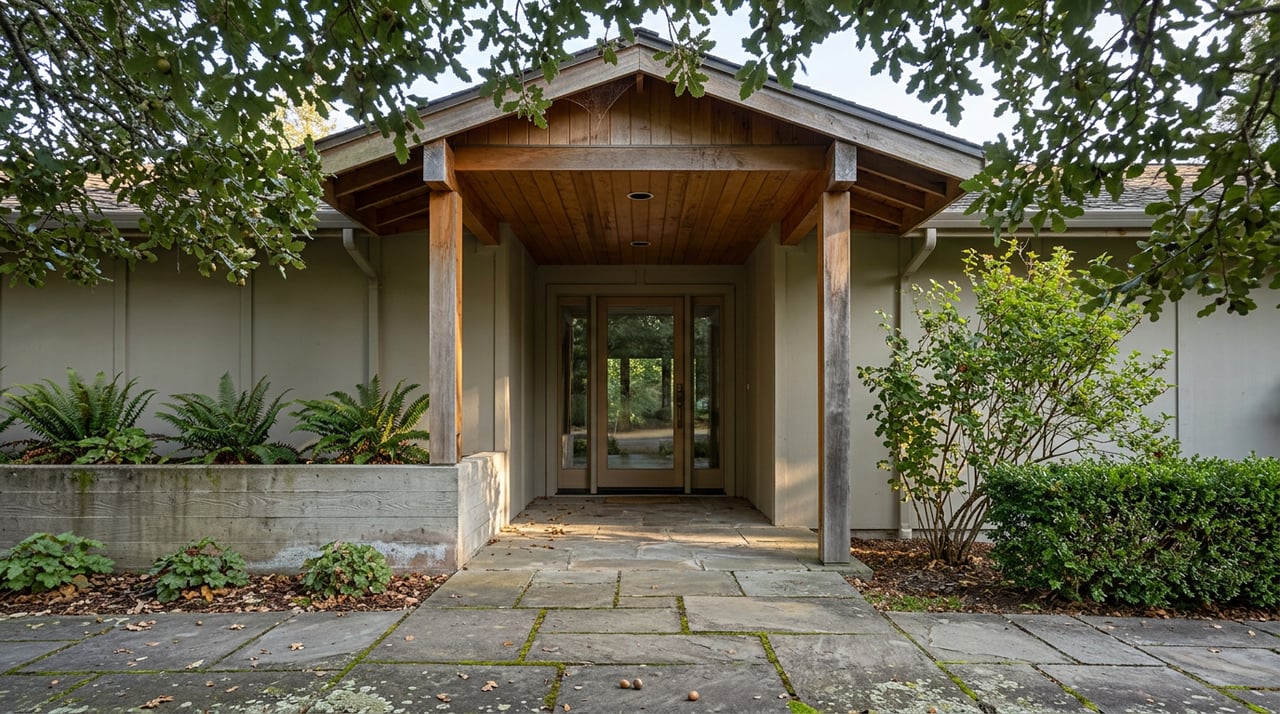
For many buyers, these homes feel more distinctive because their details are harder to replicate. A Craftsman example in San Rafael includes features like a hipped roof, large gabled dormers, natural wood shingles, a partial-width porch, battered porch columns, and multiple-light cottage windows.
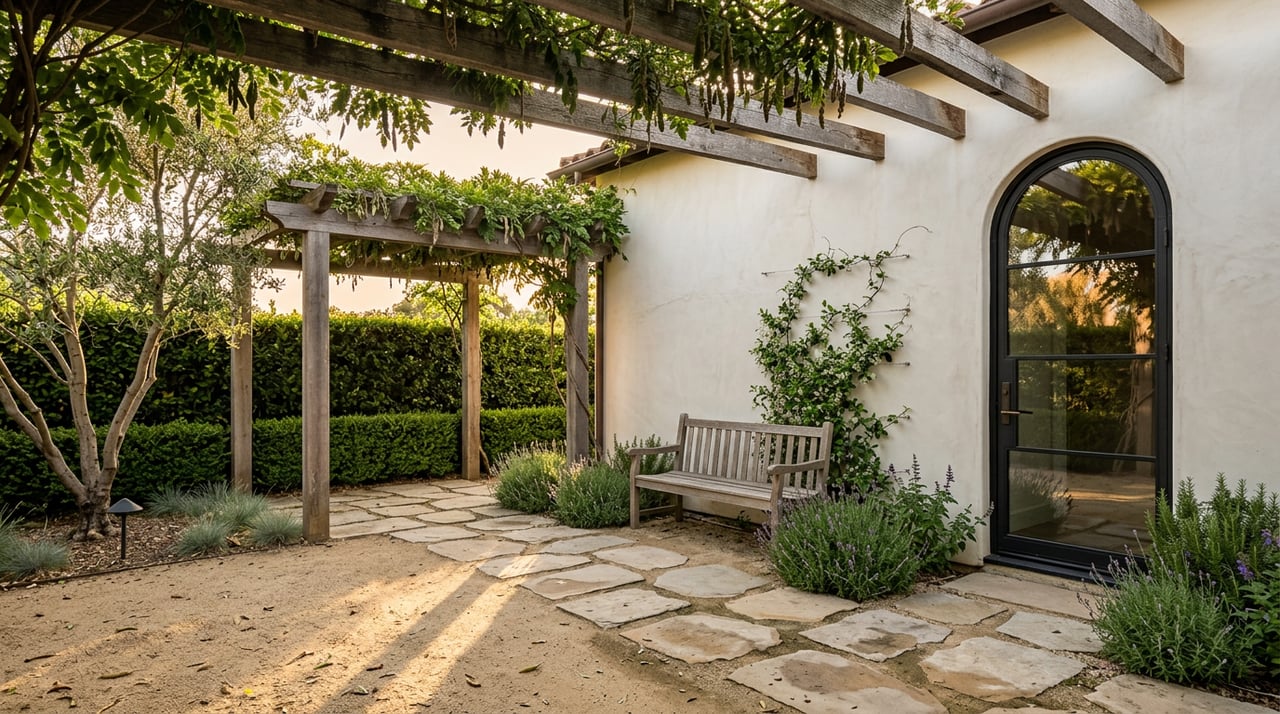
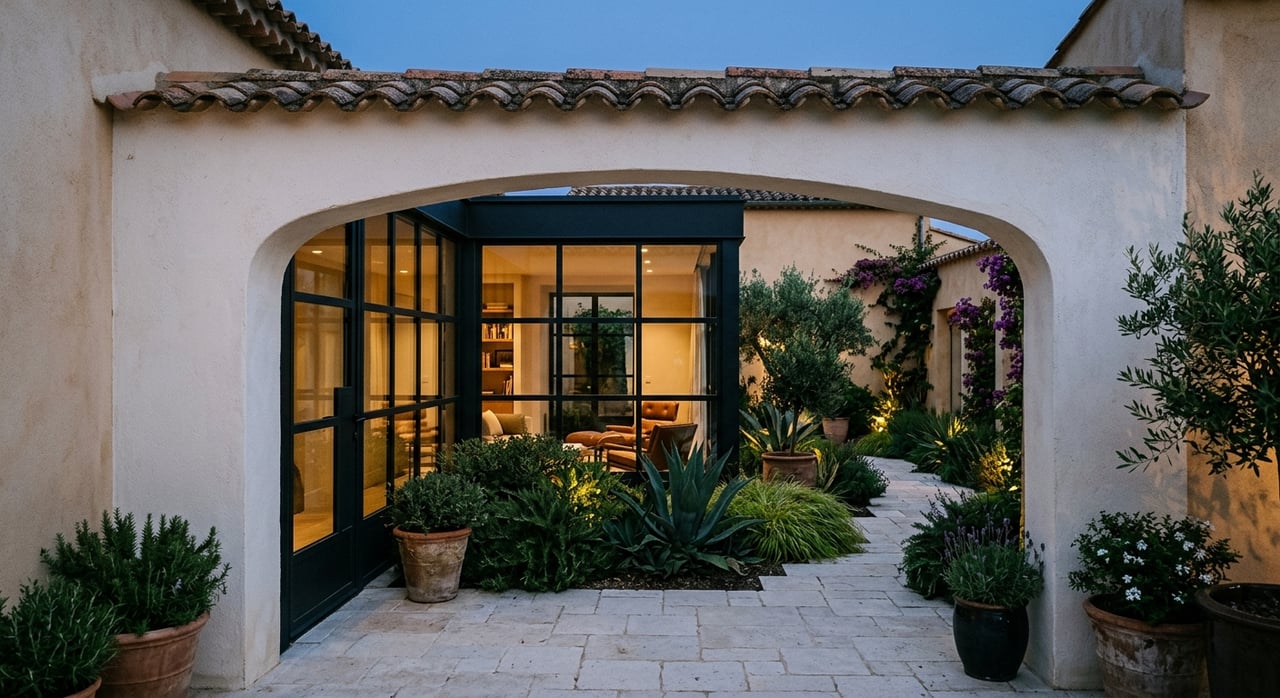
Mission Revival and related styles add a different kind of character. The National Park Service describes defining elements such as thick stucco walls, deep window and door openings, and red clay tile roofs, all of which help explain why older homes can feel warm, layered, and deeply rooted in place.
Why buyers love older homes
Historic and older homes often appeal to buyers who want more than square footage and finishes. You may value original materials, established streetscapes, and a home that feels like it has a story.
Downtown San Rafael is a good example of that appeal. The city specifically points to its older buildings and pedestrian scale as part of downtown’s character, which can be especially attractive if you want a more heritage-rich and walkable setting.
In many cases, the draw is emotional as much as practical. You are not just buying shelter. You are buying craftsmanship, texture, and a look that tends to stand apart from newer construction.
The tradeoffs of historic homes
Charm usually comes with more responsibility. In San Rafael, historic resources are regulated, and the city’s preservation ordinance requires Planning Commission review for exterior modifications or demolition of structures listed as landmarks and for properties within a historic district.
The city also says that evaluation by a qualified architectural historian is usually required when a project may affect a historic resource. In addition, listed survey properties are presumed significant unless evidence shows otherwise.
For you as a buyer, that can mean more review steps, more documentation, and more time before certain changes are approved. If you love originality and are comfortable with a longer planning horizon, that may feel worthwhile. If you want quick cosmetic changes right after closing, it may feel restrictive.
What modern ease looks like
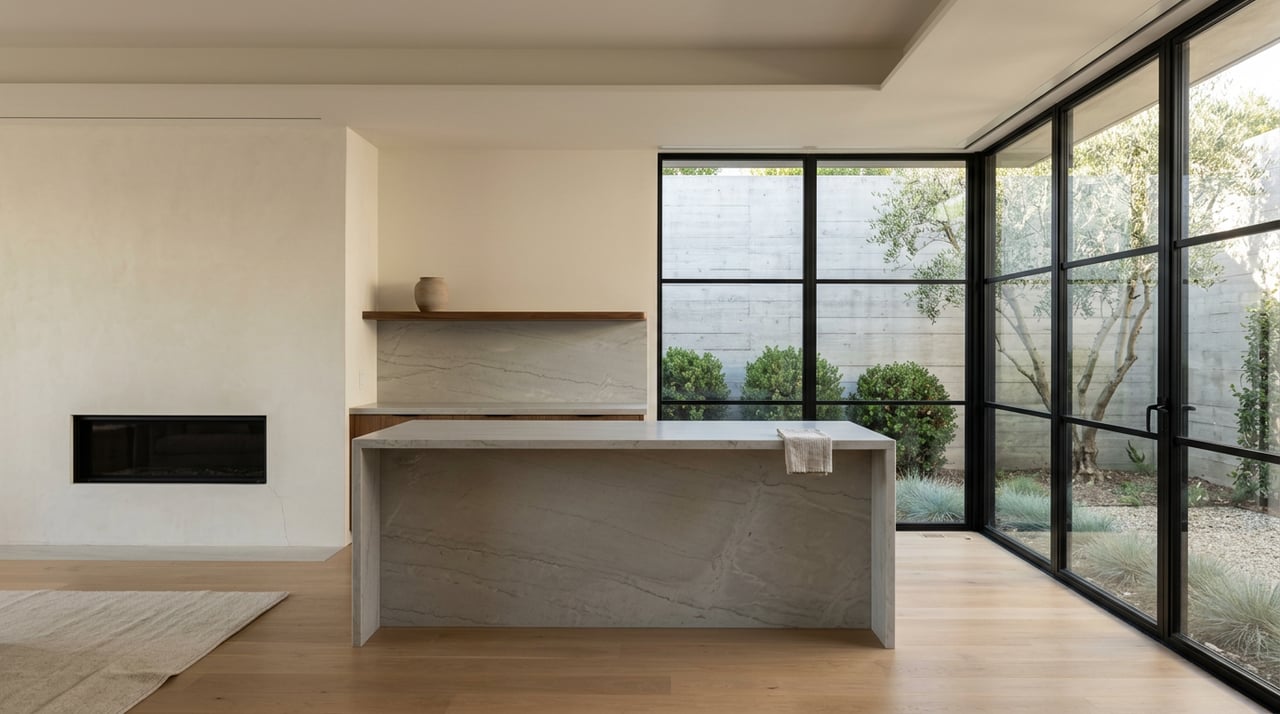
Contemporary homes, or older homes that have been substantially renovated, often appeal for a different reason. They can offer a simpler starting point, especially if you want fewer immediate projects and more predictability around systems and comfort.
California’s current energy standards shape that experience. The California Energy Commission says the 2025 Energy Code took effect on January 1, 2026 for new buildings and major renovations, increasing efficiency, encouraging heat pumps, strengthening ventilation standards, and supporting cleaner, healthier buildings.
San Rafael’s building permit page also notes that local code changes apply to projects submitted after December 26, 2025 at 4 p.m. For buyers, this means newer or recently renovated homes may begin with a stronger baseline for code-compliant systems and building performance.
Why buyers choose newer or updated homes
If your goal is day-one livability, a contemporary home may be the easier fit. You may prefer a home where the major systems, layout decisions, and energy upgrades have already been addressed.
That does not make newer homes maintenance-free. It does, however, often reduce the number of unknowns you face right after closing.
This can be especially valuable if you are relocating, balancing a busy schedule, or simply want to spend more time living in the home than managing projects. In that case, modern ease is less about style and more about how you want ownership to feel.
Energy performance and comfort
For existing homes, efficiency should still be part of your due diligence. The U.S. Department of Energy says a home energy assessment is a good first step before making energy-saving improvements.
ENERGY STAR also says sealing air leaks and adding insulation are two of the most cost-effective ways to improve comfort and efficiency. DOE notes that insulation levels in older homes may be inadequate, which is one reason older properties can require a different budgeting mindset.
If you are considering a historic or older home in San Rafael, it helps to think beyond cosmetic updates. Comfort, operating costs, and future upgrade options all deserve attention early in the process.
Permits matter in every San Rafael purchase
No matter which style you prefer, permit history is essential. San Rafael requires building permits to build, enlarge, alter, remove, demolish, or repair a structure, and its permit system covers remodels, additions, repairs, pools, decks, and similar work.
That makes paperwork more than a technical detail. Permit history helps you understand whether the home’s current condition matches what was properly approved.
This is especially important in a market where older homes are common and updates may have been completed over many years. A beautifully presented listing can still raise questions that only records and inspections can answer.
Why the Residential Resale Report matters
San Rafael’s Residential Resale Report is a major part of buyer due diligence. The city says this report is required when residential property changes ownership, and it functions as both a permit-records check and a physical inspection of the residence.
The report is used to identify unpermitted work such as kitchen or bath remodels, decks, garage or attic conversions, retaining walls, and expired or incomplete permits. That makes it a valuable tool whether you are buying a classic home or a more recently updated property.
In simple terms, it helps verify whether the home tells the same story in city records that it tells in marketing materials. That kind of clarity can save you from expensive surprises later.
Renovation risks older-home buyers should know
If you plan to renovate an older home, there are additional safety considerations. The EPA says contractors who renovate pre-1978 residential buildings must be lead-safe certified and use lead-safe practices because those homes are more likely to contain lead-based paint.
The EPA also says homeowners should not guess about asbestos. If a suspect material may be disturbed during a renovation, it should be sampled by a properly trained and accredited asbestos professional.
These issues do not mean you should avoid older homes. They simply mean your project planning should be thorough, informed, and realistic from the start.
A simple framework for choosing
If you are deciding between historic charm and modern ease, a few questions can bring the answer into focus.
Choose historic charm if...
- You place high value on original architecture and handcrafted details.
- You are comfortable with a longer planning horizon for updates.
- You understand that exterior changes may require added city review.
- You are prepared for restoration costs or post-closing improvements.
Choose modern ease if...
- You want fewer near-term projects after closing.
- You prefer stronger energy performance and a more current systems baseline.
- You want a simpler path to move-in readiness.
- You have limited time or interest in managing contractors and approvals.
Choose with records, not assumptions
- Verify permit history.
- Confirm whether the property is a designated historic resource.
- Review the Residential Resale Report carefully.
- Budget for post-closing inspection items.
- Arrange energy and environmental assessments before a major remodel.
The best San Rafael home is personal
In San Rafael, the right purchase is rarely about whether old is better than new. It is about whether the home fits your tolerance for projects, approvals, future spending, and the kind of ownership experience you want.
For some buyers, the right answer is a character-rich home with architectural substance and a few planned upgrades. For others, it is a more contemporary property that supports an easier daily rhythm from the start.
The key is to look past surface appeal and measure the real obligations that come with each option. When you do that, you are far more likely to choose a home that feels right not just on day one, but for years to come.
If you are weighing San Rafael’s historic homes against more updated options, Chelsea E. Ialeggio offers local guidance, thoughtful strategy, and a high-touch process tailored to how you want to live.
FAQs
What makes a historic home in San Rafael different from a standard older home?
- In San Rafael, some older homes may be listed as landmarks, located in a historic district, or included in the city’s historic survey, which can affect review requirements for exterior changes or demolition.
What should you check before buying an older home in San Rafael?
- You should verify permit history, review the Residential Resale Report, confirm whether the property is considered a historic resource, and budget for inspections and possible post-closing repairs.
What is the San Rafael Residential Resale Report?
- It is a city-required report used when residential property changes ownership, and it includes both a permit-records check and a physical inspection to identify issues such as unpermitted work or incomplete permits.
Why can a newer or renovated San Rafael home feel easier to own?
- Newer or recently renovated homes often start with more current systems, stronger energy performance, and fewer immediate projects, which can make move-in and early ownership simpler.
What energy concerns should you consider in an older San Rafael home?
- Older homes may have inadequate insulation and more air leakage, so a home energy assessment, along with potential air sealing and insulation improvements, can help you evaluate comfort and efficiency.
What renovation safety issues matter in pre-1978 San Rafael homes?
- If you plan to renovate a pre-1978 home, lead-safe practices are important, and any material suspected to contain asbestos should be evaluated by a properly trained and accredited professional before it is disturbed.